U.S. births decline in 2025, CDC provisional data shows
02/18/2026 / By Laura Harris

- Provisional data from the Centers for Disease Control and Prevention (CDC) shows just over 3.6 million U.S. births in 2025, about 24,000 fewer than in 2024, with final totals expected to change only slightly.
- Experts note that although births ticked up in 2024, the fertility rate continued to decline and long-term U.S. birth trends have generally fallen for nearly two decades.
- Separate figures from BirthGauge indicate that all 50 states are now below the replacement fertility level of 2.1 children per woman.
- The Congressional Budget Office projects that U.S. deaths will outnumber births by 2030, a shift with potential consequences for the workforce, entitlement programs and economic growth.
- Analysts cite economic pressures, delayed marriage and parenthood and broader cultural factors as contributors to declining fertility, while polling from Gallup and Marist Poll shows abortion attitudes trending more pro-choice in recent years.
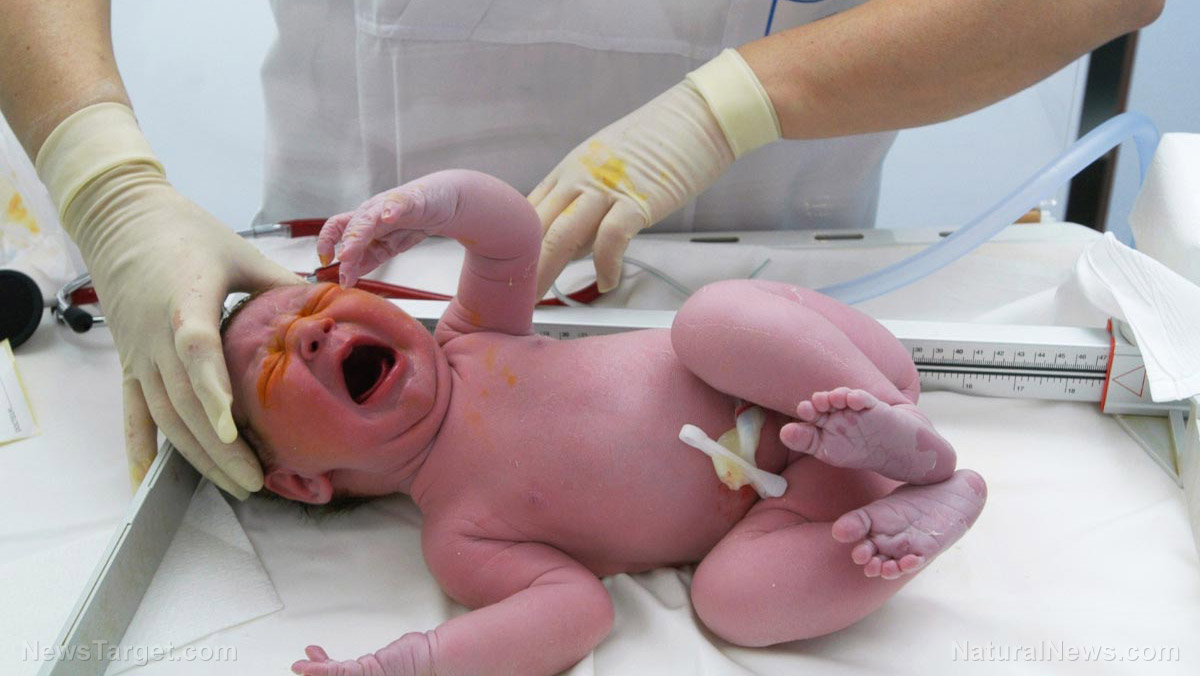
U.S. births declined slightly in 2025, according to newly released provisional figures from the Centers for Disease Control and Prevention (CDC). Just over 3.6 million births were recorded last year — approximately 24,000 fewer than in 2024.
The updated data, posted in February, incorporates two previously missing months and accounts for nearly all babies born in 2025. While final compilation is still underway, the total is expected to increase by only “a few thousand additional births,” said Robert Anderson of the CDC’s National Center for Health Statistics.
The decline follows a modest increase in births in 2024 that some analysts warned was unlikely to signal a sustained rebound. More detailed data, including fertility rates and demographic breakdowns, is expected later this year.
Karen Guzzo, a family demographer at the University of North Carolina, noted that although births rose in 2024, the fertility rate continued to fall.
“For 2025, I wouldn’t expect birth or fertility rates to have risen; I would expect them to fall because childbearing is highly related to economic conditions and uncertainty,” Guzzo said in an email.
She added that most babies born in 2025 were conceived in 2024, a period marked by economic uncertainty and concerns over affordability.
Birth rates in the United States have generally trended downward for nearly two decades. After dropping in 2020 during the Wuhan coronavirus (COVID-19) pandemic, births rose for two consecutive years — a rebound partly attributed to pregnancies postponed during the height of the crisis. A 2% decline in 2023 brought annual births to fewer than 3.6 million, the lowest total since 1979.
America’s birth rate crisis deepens due to several factors
Separate data from BirthGauge shows that every U.S. state now falls below the replacement fertility level of 2.1 children per woman — the threshold typically needed for a generation to replace itself without immigration.
The trend aligns with projections from the Congressional Budget Office, which reported last month that U.S. deaths are expected to outnumber births by 2030. Such a shift could have significant implications for the labor force, entitlement programs and long-term economic growth.
The demographic developments come amid broader cultural debates. Recent polling from Gallup and Marist Poll shows public opinion on abortion trending in a more pro-choice direction in recent years, though analysts differ on how much abortion attitudes influence overall fertility patterns.
Some argue that economic factors alone do not explain the decline.
“We have a fertility crisis because we have a marriage crisis,” said Faust. “We have a marriage crisis because we have a dating crisis. We have a dating crisis because young people are forming few in-person relationships.”
Demographers broadly agree that Americans are marrying later, delaying parenthood or opting not to have children, with affordability, work-life balance and economic uncertainty all playing significant roles.
This trend, as BrightU.AI‘s Enoch concluded, is not just a demographic concern but a reflection of broader societal and economic challenges.
Watch the video below for more information about why the COVID vaccines should be banned for pregnant women.
This video is from the Puretrauma357 channel on Brighteon.com.
Sources include:
Submit a correction >>
Tagged Under:
big government, birth rate, CDC, Collapse, COVID, dangerous, depopulation, economy, fertility crisis, marriage crisis, national security, pandemic, population collapse, population control, US
This article may contain statements that reflect the opinion of the author
RECENT NEWS & ARTICLES